How to create a product demo video with AI
Source review · Checked . Based on the linked documentation and tool definitions. Examples are illustrative unless a run receipt is provided. Editorial standards
To make a short product-demo clip with AI, connect a client that actually exposes Generate Video, pass a first-frame image you control, and call image_to_video with a motion prompt. text_to_video can invent a scene from words alone. Neither skill is a screen recorder. Button labels, layout, and type in the clip can drift from the product you ship.
This walkthrough is source-reviewed against the Generate Video skills and client setup docs. It is not a live render. The prompt is illustrative.
Use a client that carries video generation
The Claude chat connector filters standalone media-generation tools. Use the current client setup documentation to check its available catalog.
Generate Video is on the general MCP URL https://api.toolrouter.com/mcp. Use that path from Grok or Claude Code. ChatGPT custom MCP is plan-dependent; check the current OpenAI MCP apps guide and the tools actually exposed in your conversation.
After connecting, confirm list_models, image_to_video, and text_to_video appear in that session's catalog.
Build a demo around one customer task
A useful demo shows a real result: importing a list, finding a case, creating a report, or completing another action your product supports. Write a three-beat brief before generating assets:
| Beat | Asset | What the viewer learns |
|---|---|---|
| Problem | A concise title or generated opening shot | The task this product helps with |
| Action | A real recording of the supported product flow | What the user actually clicks and receives |
| Result | The real output and a clear next step | Why the task is worth trying |
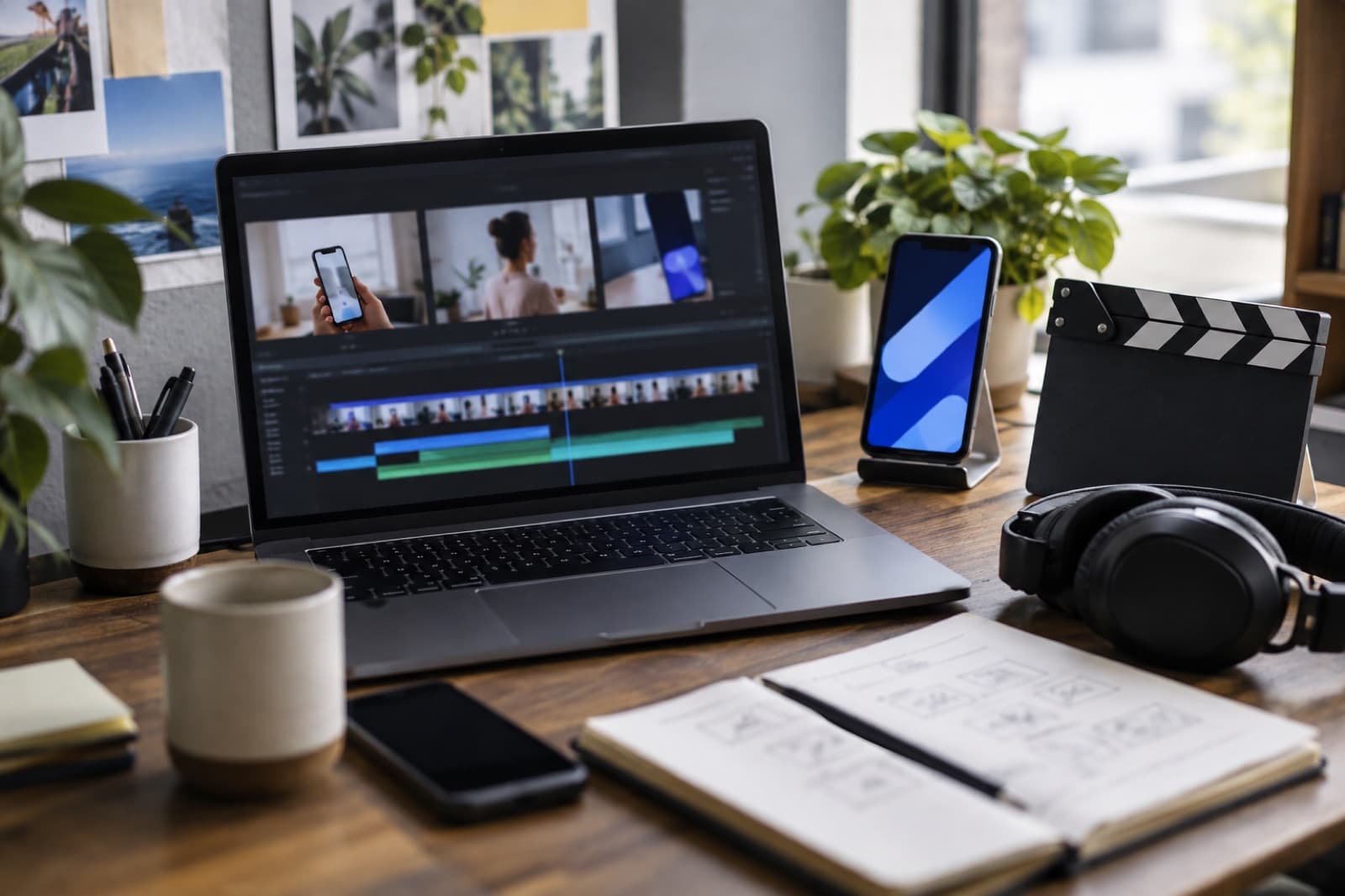
Use Generate Video for optional visual material around that recording. For a software walkthrough, capture the real UI separately with a screen recorder. Assemble the recorded flow, any generated clip, and captions in your video editor. ToolRouter's generation skill returns a clip; it does not perform those recording and editing steps.
This keeps the product demo distinct from a generic image-to-video animation. Review the final sequence against the actual product before sharing it, especially labels, numbers, claims, and the promised result.
Animate a supporting screenshot or product shot
text_to_video takes prompt (required) plus optional model, duration, resolution, aspect_ratio, enable_audio, seed, and negative_prompt. It is useful for mood, product-on-a-pedestal, or lifestyle motion when you do not need the real UI.
For a software or dashboard demo, capture the screens you are allowed to show (product shots, storyboard frames, or UI screenshots you own). Host them as HTTPS JPEG, PNG, or WebP, then call image_to_video with image_url and a prompt that describes *camera and motion only*: slow push-in, cursor travel, a panel sliding in. The model animates the still. It does not guarantee that later frames stay pixel-faithful to the app.
Call list_models first. Duration, resolution, and audio support change by model. The catalog's starting table lists Seedance 2.5 as the default when you omit model, with other rows for Veo, Kling, and Wan; treat that as a starting map and trust the live list_models matrix for the call you are about to make.
| Input you have | Skill | What to review in the file |
|---|---|---|
| Screenshot or storyboard still | image_to_video | First frame matches your asset; later frames may morph |
| Scene described in words | text_to_video | Entire clip is generated; UI chrome is invented |
| Model, duration, audio limits | list_models | Supported lengths, resolutions, has_audio, cost text |
Both generation skills are paid. list_models is free. Failed paid calls do not charge. Metered cost is max($0.005, provider cost) on success; video models often bill above the floor. Read the cost_description on the model row and pricing before a long or 4K run. See Billing.
Returned fields include video_url_direct, model, duration_seconds, resolution, audio_enabled, and estimated_cost_usd. Provider URLs can expire; download the file you intend to keep.
Connect your assistant, then try the task described in this guide.
Illustrative prompt
Replace the image URL with a still you have rights to use.
Use ToolRouter Generate Video.
1. Call list_models with type image_to_video.
2. Pick a model whose supported durations include 5 seconds. Check the tool’s aspect-ratio input before using 16:9.
3. Call image_to_video with:
   image_url: https://example.com/demo-frame.png
   prompt: Slow dolly toward the pricing table. Keep the screenshot layout. No new buttons or logos.
   duration: 5
   aspect_ratio: 16:9
   enable_audio: false
Return the video URL, model, duration_seconds, and estimated_cost_usd.
If the skill is missing from this catalog, stop and say so.Watch the clip. If a label changes or a control appears that your product does not have, reshoot the still or switch to a real screen recording for that beat. Generate Video is the motion step, not QA for the UI.
The still-to-clip job across assistants is also covered in How to turn an image into video. Open Generate Video after you connect at toolrouter.com/connect.
*Source-reviewed 13 September 2026 against the Generate Video skill contract, Connect Claude, Connect ChatGPT, and Billing. Not a live render.*