 Try Claude
Web SearchWeb, news, images & maps — one tool
AI tools that help interior designers visualize spaces, generate design concepts, source products, research trends, and create compelling presentations for clients.
Works in Chat, Cowork and Code

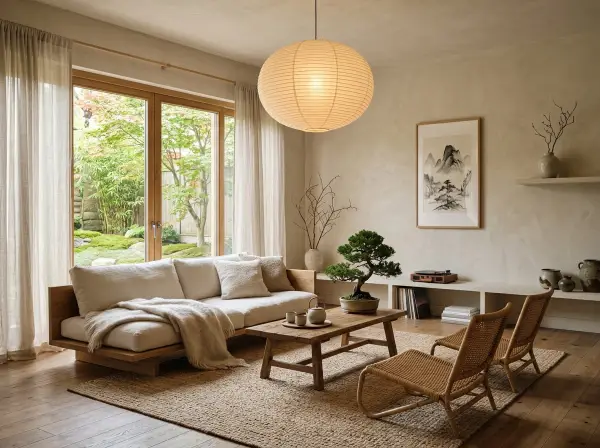
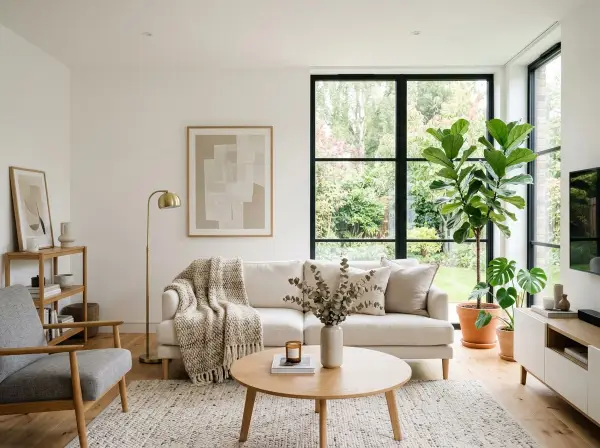
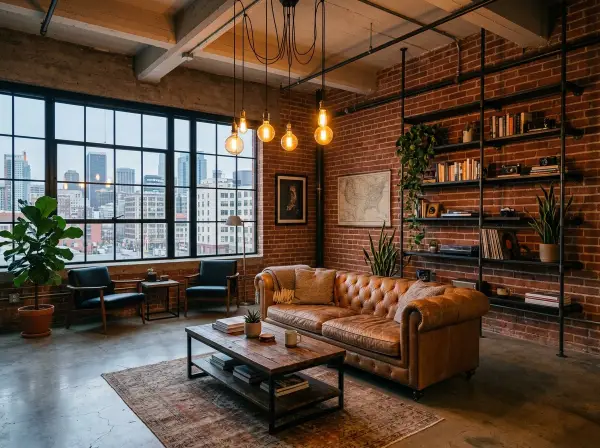
Transform client spaces into multiple design directions instantly. Generate photorealistic renders of the same room in different styles, color palettes, and furniture arrangements so clients can see the options before committing. Dramatically reduce back-and-forth on concept approvals.

Generated 3 concept renders. Classic luxury: deep navy and gold with tufted headboard, velvet accents, and statement chandelier. Coastal: linen whites, bleached oak, and navy stripe textiles. Minimalist: crisp white walls, low-profile walnut platform bed, concrete-look nightstands.
ToolRouter redesign_roomStay ahead of design trends, material innovations, and emerging styles. Research what's leading in residential, commercial, and hospitality design so you can bring current ideas to every client project.
2025 kitchen trends: Warm, earthy palettes dominating — terracotta, warm beige, sage green. Shaker replaced by flat-front with integrated pulls. Quartzite and fluted stone surging over quartz. Unlacquered brass hardware peak continuing but aged bronze emerging. Hidden appliances and integrated refrigerators now standard in high-end residential.
ToolRouter researchSearch across retailers, manufacturers, and trade sources for the specific pieces your designs need. Find products by style, material, dimension, and price point to match your specification sheets and budgets.
Found 12 options across trade and retail sources. Top picks: West Elm Andes sectional (106" wide, boucle in sand, $4,299 trade), Article Ceni (108", chenille in caramel, $5,200), Joybird Hughes (custom fabric options, $6,100-$6,900). 3 have in-stock lead times under 6 weeks.
ToolRouter searchStage vacant or builder-grade properties digitally for real estate listings, model units, and development marketing. Generate multiple furnished looks from empty rooms to help buyers and clients visualize the space's potential.
Staged with contemporary design: floating white oak shelving, a convertible dining table that doubles as workspace, plush modular sofa in warm grey, statement pendant over dining zone. The design highlights the natural light and incorporates a subtle WFH corner without making it feel cramped.
ToolRouter redesign_roomCreate polished client presentations combining concept visuals, mood boards, product specifications, and project proposals. Use AI to generate the visual components and written narratives that bring your design vision to life.
Drafted a 450-word concept narrative titled "Living Naturally." Opens with the design philosophy, describes the organic modern direction, explains material choices (white oak, linen, stone, rattan), addresses the family-functional needs (durability, flexibility), and closes with an invitation to the client to explore the concepts.
Find furniture showrooms, tile and stone suppliers, fabric houses, lighting vendors, and artisan makers near your project locations. Build relationships with local trade resources for better sourcing options and faster delivery.
Found 28 trade resources in the Dallas Design District and nearby areas. Showrooms: Robb & Stucky Contract, Holly Hunt Dallas, Knoll Studio. Tile: Ann Sacks (Highland Park), Walker Zanger (Design District). Drapery workrooms: 5 custom houses with trade pricing, 2 with 3-week turnaround.
ToolRouter search_placesRedesign this [room type] in [design style] style. Key elements I want: [colors/materials/furniture type]. Keep the architectural features and window placement. Generate 2-3 variations.
Stage this empty [room] for [purpose: residential sale/model unit/rental listing]. Target demographic: [description]. Style direction: [style]. Make it aspirational but livable.
Research the leading interior design trends for [year] in [residential/hospitality/commercial] spaces. What colors, materials, furniture styles, and design movements are currently dominating?
Find [furniture piece] for a [style] project. Requirements: [dimensions, material, color], budget [range]. Include trade sources and retail options with lead times.
Find [furniture showrooms/tile suppliers/fabric houses/lighting vendors] near [city] with trade accounts. I need [specific product category].
Write a design concept narrative for a [project type] client presentation. Design direction: [style/aesthetic]. Key design decisions: [list them]. Tone: professional but evocative. 400-500 words.
Research [material type: quartzite/zellige/boucle/etc] for a residential project. What are its durability characteristics, maintenance requirements, cost range, and best use applications?
Research how [color/color family] is being used in current interior design. What complementary colors, materials, and styles are it being paired with? Show me current examples.


Everything interior designers need from AI, connected to the assistant you already use. No extra apps, no switching tabs.
From initial brief to first concept presentation — research, visualize, and prepare a complete concept package for a new project.
Produce virtual staging for a new real estate listing — multiple rooms, multiple style options, ready for MLS photos.
Build out a complete product specification for a project, from furniture to lighting to accessories.
The Interior Design tool generates photorealistic renders that are suitable for client presentations and real estate listings. Results are best when you provide a clear, well-lit photo of the existing space. The tool preserves architectural features — window placement, ceiling height, natural light — while reimagining the furnishings and finishes.
Yes. You can run the same room photo through multiple style prompts — Japandi, coastal, industrial, traditional — and get distinct concept directions. This is ideal for client discovery presentations where you want to show range before narrowing to a single design direction.
Yes. The tool works well for office lobbies, retail environments, restaurant and hospitality spaces, and boutique hotel rooms. Specify the commercial context and intended use in your prompt to get appropriately scaled and functional designs.
Web Search can find specific products by description, style, and price point across major retailers and trade sources. For antique or vintage pieces, Marketplace Search covers resale platforms. Always verify current availability and lead times directly with vendors, as inventory changes frequently.
Content Repurposer can draft design concept narratives, scope sections, and client-facing proposal language. For legal contracts and liability documents, always have a qualified attorney review before use — AI drafts are a starting point, not a legal substitute.
Works in Chat, Cowork and Code