
 Try Claude
Lead FinderFind & enrich companies and people
AI tools that help color consultants research color trends, visualise room and product transformations, build client presentations, and find commercial and residential clients.
Works in Chat, Cowork and Code

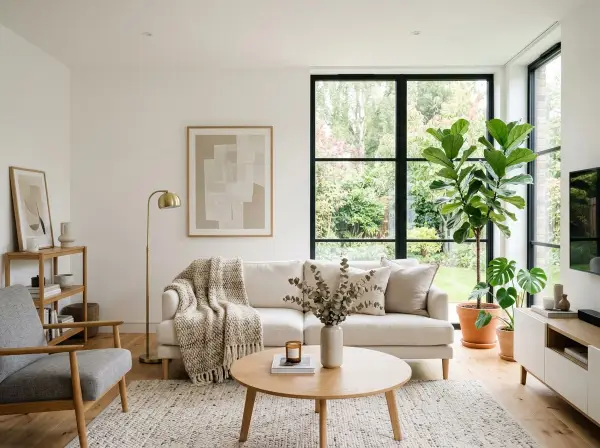
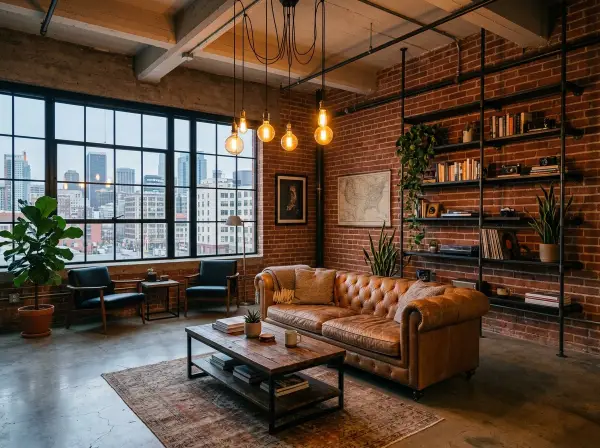
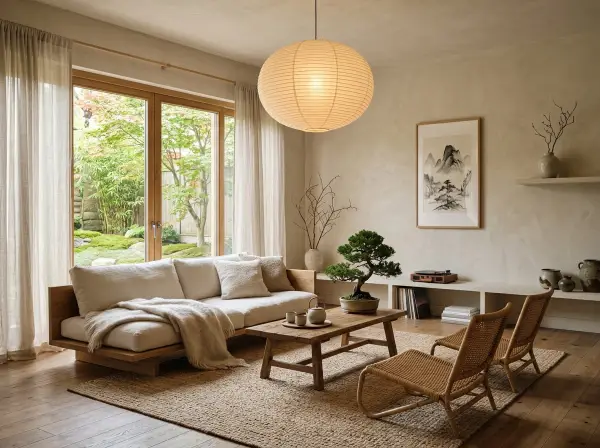
Show clients exactly how a colour scheme will transform their space before any paint or fabric is purchased. Generate multiple scheme options from a single reference photo to facilitate confident decision-making.

Generated all 3 schemes. Terracotta version warms the north-facing light effectively. Sage scheme feels fresh and airy. Deep green creates a cocooning effect well-suited to the original architecture. Each includes coordinating soft furnishing and woodwork tone suggestions.
ToolRouter redesign_roomStay ahead of the market by tracking color forecasts from the major trend authorities, understanding the cultural drivers behind emerging palettes, and building seasonal direction decks for clients.
Forecast compiled. Key directions: Biopigments (warm biological tones: moss, ochre, clay — driven by biophilia and craft revival), Digital Dust (muted tech-adjacent metallics), New Neutrals (warm off-whites replacing cool greys), and Deep Saturates (jewel tones as anti-trend to minimalism). Paint brand colour of the year picks from Dulux, Benjamin Moore, and Farrow & Ball analysed.
ToolRouter researchConvert colour specifications across formats, identify the closest paint brand matches for a client's chosen palette, and ensure consistency between digital, print, and physical colour applications.
Full data for each hex (RGB, HSL, CMYK, naming). Palette reads as: deep forest green, terracotta amber, warm linen, dark evergreen. Closest Farrow & Ball: Calke Green, Dead Salmon, Slipper Satin, Tarrystone. Dulux: Forest Floor, Moroccan Spice, Natural Hessian, Night Jewels. Suggested accent addition: dusty mauve (#B09090) as a soft complement.
Write professional colour consultation reports, project proposals, and scheme presentations that communicate the rationale, psychology, and specification details behind your recommendations.
Report delivered — 8 sections covering: project brief summary, colour psychology rationale, room-by-room specifications with paint names and codes, accent schemes for the family room and master bedroom, lighting considerations, fabric and material palette pointers, and implementation order recommendations.
ToolRouter repurpose_contentBuild a pipeline of residential and commercial clients by identifying interior designers, property developers, and design-led businesses that regularly refer or directly commission colour consultants.
Found 34 matching firms. 18 interior designers (residential specialists), 11 property developers with design-led projects, 5 architectural practices with noted colour and materials focus. All include company contact, website, and LinkedIn profile for outreach.
ToolRouter find_leadsTransform this open-plan living and dining space photo into 3 colour scheme options: (1) warm off-white and sage, (2) deep teal and warm timber, (3) soft blush and warm charcoal. Show walls, ceiling, and soft furnishings.
Research the major colour trend forecasts for 2026 from the leading trend authorities. Identify the 5 key palette directions, the cultural narratives driving them, and examples of where they are appearing in design and retail.
Convert this palette of 5 hex codes to RGB, HSL, CMYK, and pantone equivalents. Identify the closest named paint colour from Farrow & Ball and Little Greene for each.
Write a colour consultation report for a boutique hotel lobby — we are proposing a palette of deep warm greens, aged brass, and warm cream. Include psychology rationale, material and paint specifications, and lighting considerations.
Find interior designers and boutique property developers in London working on high-end residential projects who are likely to commission professional colour consultants for their schemes.
Generate a harmonious 6-colour brand palette for a luxury sustainable wellness brand — drawing on natural pigments, botanical references, and tactile material associations. Warm, earthy, premium.
Create 4 mood board concept images for a coastal contemporary home colour scheme — using pale driftwood, deep ocean blue, warm sand, and sea glass green. Show the palette applied to architectural interiors.
Research the evidence base for colour psychology in commercial hospitality and retail environments — what colour approaches are proven to affect dwell time, brand perception, and purchasing behaviour?


Everything color consultants need from AI, connected to the assistant you already use. No extra apps, no switching tabs.
Complete a full colour consultation from briefing through to a delivered report and scheme visuals.
Build a trend-informed colour direction presentation for a commercial or brand client.
Build and activate a referral and direct outreach pipeline for new consulting work.
Interior Design produces photorealistic transformations of real room photos that are effective for client presentations. The tool applies new colour schemes, furniture directions, and material palettes to the actual space. Results are compelling enough for client decision-making, though they are not architectural renders and reflect the original room's perspective and scale.
Color Tools provides hex-to-paint-brand matching for major ranges including Farrow & Ball, Little Greene, Dulux, and Benjamin Moore. The closest match is returned with the paint name and code. Note that on-screen colour representation always differs from physical paint — physical swatching remains essential for final specification.
Deep Research compiles trend information from authoritative published sources — major forecasting bodies, paint brand announcements, trade press, and design media. It does not access proprietary trend subscriptions (like WGSN), but it provides strong context from publicly available material and is a useful supplement to formal trend subscriptions.
Yes — Color Tools helps with brand palette specification and cross-format conversion, Deep Research provides sector-specific colour psychology evidence, and Generate Image can create visualisations of how a brand palette applies to environments and materials. Content Repurposer handles brand colour guidelines writing.
Lead Finder identifies interior designers, architects, property developers, and retail brands who are most likely to commission colour consultants — either as direct clients or as referral partners. Filtering by location, company type, and seniority helps target outreach efficiently without wasting time on low-probability contacts.
Works in Chat, Cowork and Code